

Quick summary
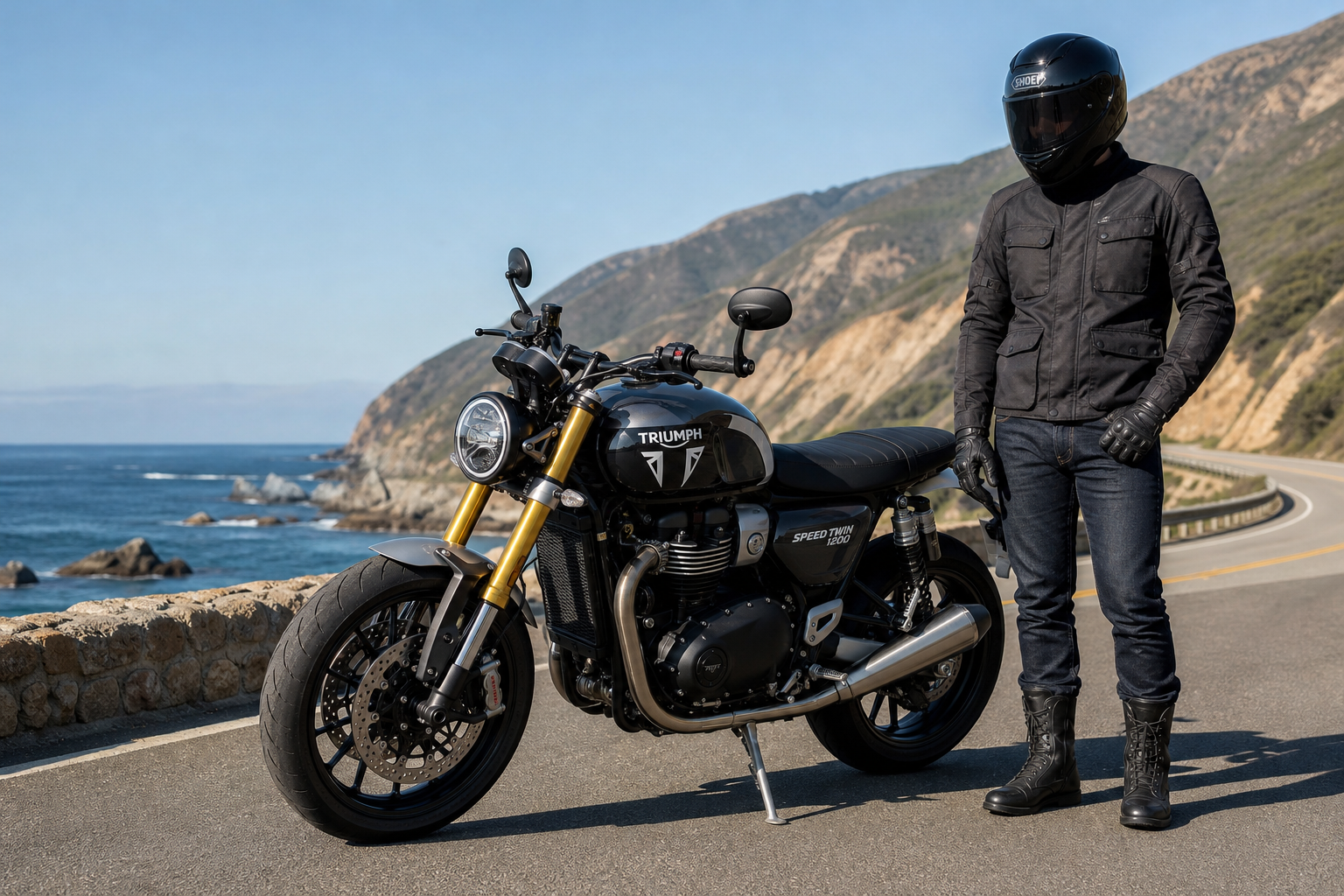
The 2026 Triumph Speed Twin 1200 keeps the Bonneville family DNA but pushes performance and packaging into a higher gear. It pairs a torquey 1,200cc parallel twin with a compact steel frame that makes the bike feel physically smaller than its displacement suggests. For riders who want classic lines without sacrificing usable power, this is a serious contender.
Key specifications at a glance
Numbers matter when you’re choosing a bike. Here are the confirmed factory figures from the spec sheet.
- Engine: Liquid-cooled, 8-valve SOHC parallel twin, 270° crank
- Displacement: 1,200 cc
- Power: 103.5 HP (77.2 kW) @ 7,750 rpm
- Torque: 82.6 lb‑ft (112 Nm) @ 4,250 rpm
- Bore x Stroke: 97.6 x 80 mm
- Compression: 12.1:1
- Wet weight: 476 lb (approx. 216 kg)
- Wheelbase: 55.7 in (1,414 mm)
- Seat height: ~31.7–31.9 in (805–810 mm)
- Fuel tank: 14.5 L (3.8 US gal)
- Front brakes: Twin 320 mm discs with Triumph‑branded four‑piston radial calipers and OCABS
- Rear brake: 220 mm disc, Nissin caliper
- Suspension (standard): 43 mm USD Marzocchi forks; twin Marzocchi RSUs with external reservoirs
First ride impressions
On a mix of coastal sweepers and tight secondary roads, the 2026 Speed Twin’s standout trait is its torque delivery — strong and linear from low revs. You don’t need to wring the motor to make progress. Throttle response is crisp thanks to the electronic throttle and well‑tuned fuel injection, but it never feels snappy or nervous in town.
Chassis balance is a highlight. At slow speeds it feels light and flickable; at speed it stays planted. Triumph’s decision to keep a relatively steep rake and modest wheelbase pays off. The bike encourages confidence without being intimidating.
Engine character and real-world performance
The 270° crank and 12.1:1 compression give the twin a muscular midrange and a pleasing exhaust cadence. Peak numbers are 103.5 HP at 7,750 rpm and 82.6 lb‑ft of torque at 4,250 rpm. Those numbers are useful, but the real value is how usable the torque is: roll on at 3,000–5,000 rpm and the bike accelerates cleanly without swapping riders off line.
Gearbox and clutch are predictable. The six‑speed transmission shifts with a firm, mechanical feel. Triumph kept an assist-and-slipper clutch, which reduces lever effort in traffic and softens the rear under aggressive downshifts on the road.
Chassis, suspension and handling
The frame is a tubular steel design with an aluminum cradle that puts weight low and central. The result is a 55.7‑inch wheelbase that helps the Speed Twin turn in quickly while still offering stability on fast straights. The wet weight sits at about 476 lb (216 kg), so this is not a featherweight, but the packaging hides that mass well.
Standard suspension uses 43 mm USD Marzocchi forks up front and Marzocchi twin shocks with external reservoirs at the rear. The RS model steps up to Öhlins at the rear for more adjustability and firmer damping. In everyday riding the standard setup is compliant and composed; you can tune preload to carry a passenger or luggage and keep the handling intact.
Brakes, electronics and cockpit
Stopping power is solid. Twin 320 mm rotors with radial calipers bite hard and deliver predictable feel. Triumph’s OCABS setup and ABS calibration are restrained — they intervene cleanly without ruining a spirited entry. If you like to trail the brake into a corner, the Speed Twin rewards precise inputs.
The instrument cluster mixes classic analog cues with a compact TFT. It gives the essentials: ride mode, traction control status, gear, and fuel consumption. Two rider modes are standard; they alter throttle maps and traction control rather than changing suspension settings.
Ergonomics, comfort and daily usability
Seat height is wallet-friendly for many riders at roughly 31.7–31.9 inches. The bench seat is wide and supportive for town runs and longer days in the saddle. Handlebars are positioned to give an upright stance with enough sport to move weight forward when you want it.
Fuel capacity is 14.5 litres. With the Speed Twin’s midrange-oriented motor you should expect reasonable range for mixed riding; plan fuel stops more often than you would on a 20‑liter tourer, but the tank shape is comfortable for knee grip and control.
Trim levels and options worth noting
Triumph offers the Speed Twin in standard and RS trims. The RS brings upgraded suspension (Öhlins at the rear on many markets), slightly sportier setup and premium finishes. In 2026 Triumph also introduced a TFC variant for collectors and riders seeking a limited-edition, top-spec package — check your local dealer for availability and exact fitment.
Maintenance, ownership and practical notes
Triumph’s service intervals are reasonable for a big twin, but premium parts and dealer labor can add up. Keep an eye on final drive maintenance; the X-ring chain needs routine attention. Annual servicing costs vary by market, but expect Triumph dealer work to be mid‑range for this class.
Accessories are plentiful: factory luggage, different seats, and performance exhausts are common. If you plan to carry a passenger or heavy luggage, fit progressive springs and adjust rear preload to maintain handling balance.
How it stacks up against rivals
Competing bikes in this retro‑sport segment include machines like the Ducati Scrambler 1100 and the BMW R nineT. The Speed Twin’s strengths are its midrange torque, chassis balance, and overall usability. It won’t outgunned a modern superbike in peak horsepower, but it’s quicker and more usable on the road than many smaller-displacement classics.
Possible improvements and final buying advice
One area for improvement would be offering a wider spread of factory ride modes—an extra economy mode for long cruises would suit the tank size and real-world riders who spend hours in the saddle. Adjustable rebound on the fork as standard would also let more riders dial in handling without aftermarket changes.
Buy one if you want a bike that blends classic presence with modern performance. The Speed Twin 1200 is a machine for riders who value usable torque, crisp brakes, and a chassis that rewards competent inputs. It’s not the lightest, but it hides its weight and invites confident riding.
Bottom line
The 2026 Triumph Speed Twin 1200 is a convincing synthesis of character and engineering. It keeps the Bonneville spirit but adds usable power and a balanced chassis. For riders who want classic lines and genuine on-road competence, this model earns its place on the shortlist.


0 Comments